Inspiration

Society and infrastructure

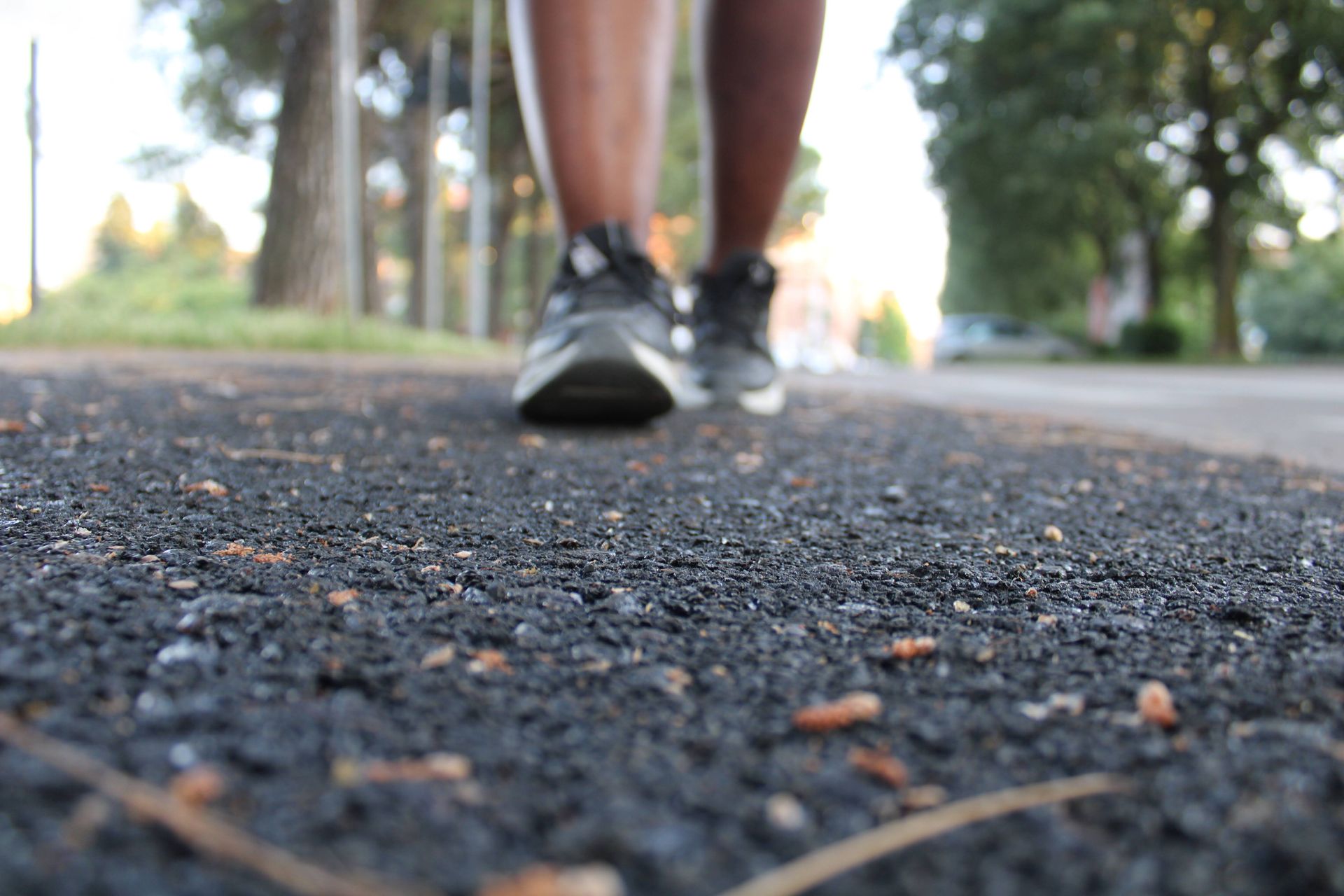
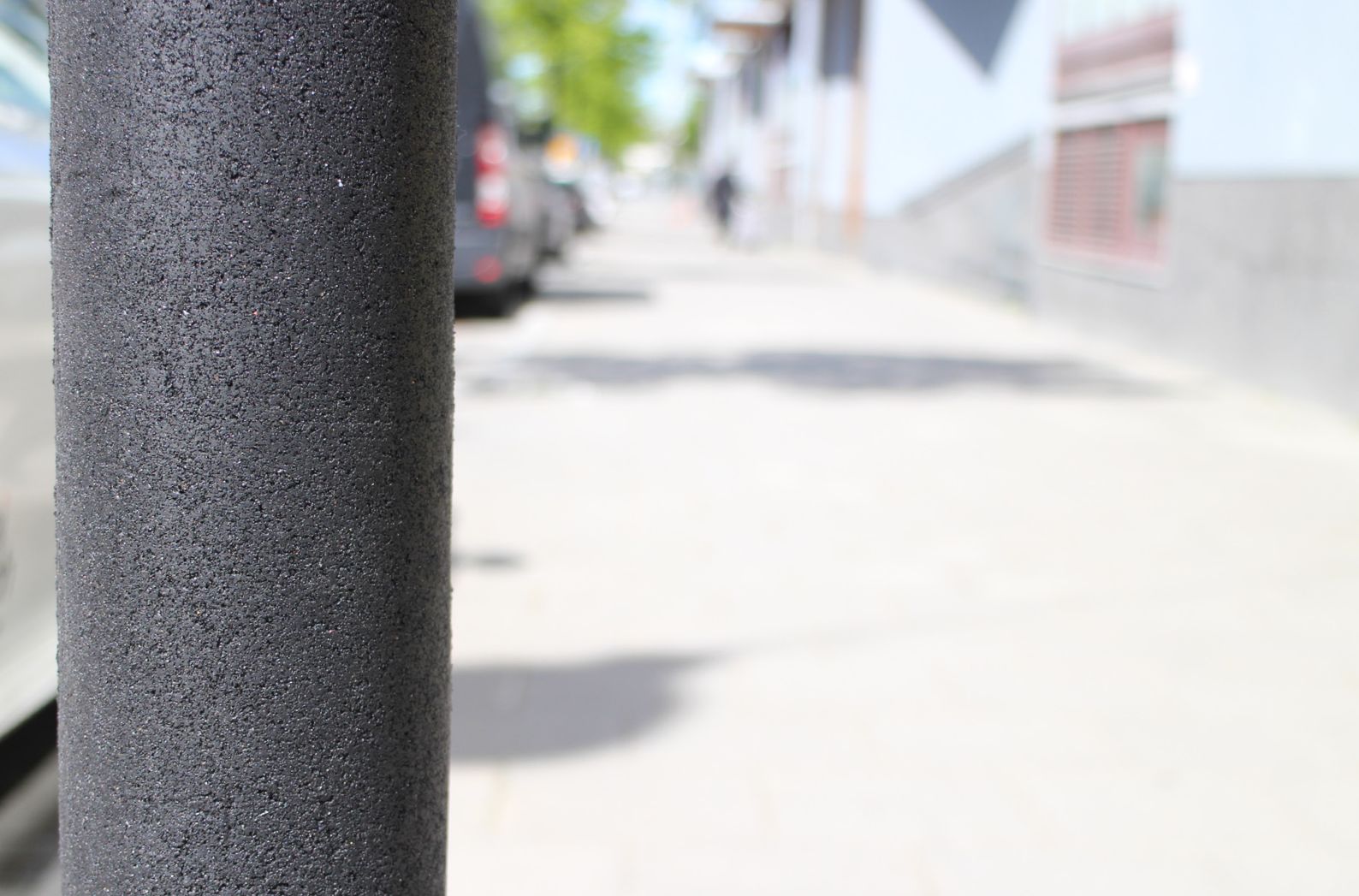
Once a tyre has completed its journey on the road, its properties let it contribute to new construction — rubber concrete, rubber asphalt and traffic pole cladding.

Recycled tyre material has long supported society and its infrastructure. Even after a tyre’s journey on the road has ended, its exceptional inherent properties allow it to contribute to development and construction in other parts of society.

Mycocycle

Mycocycle

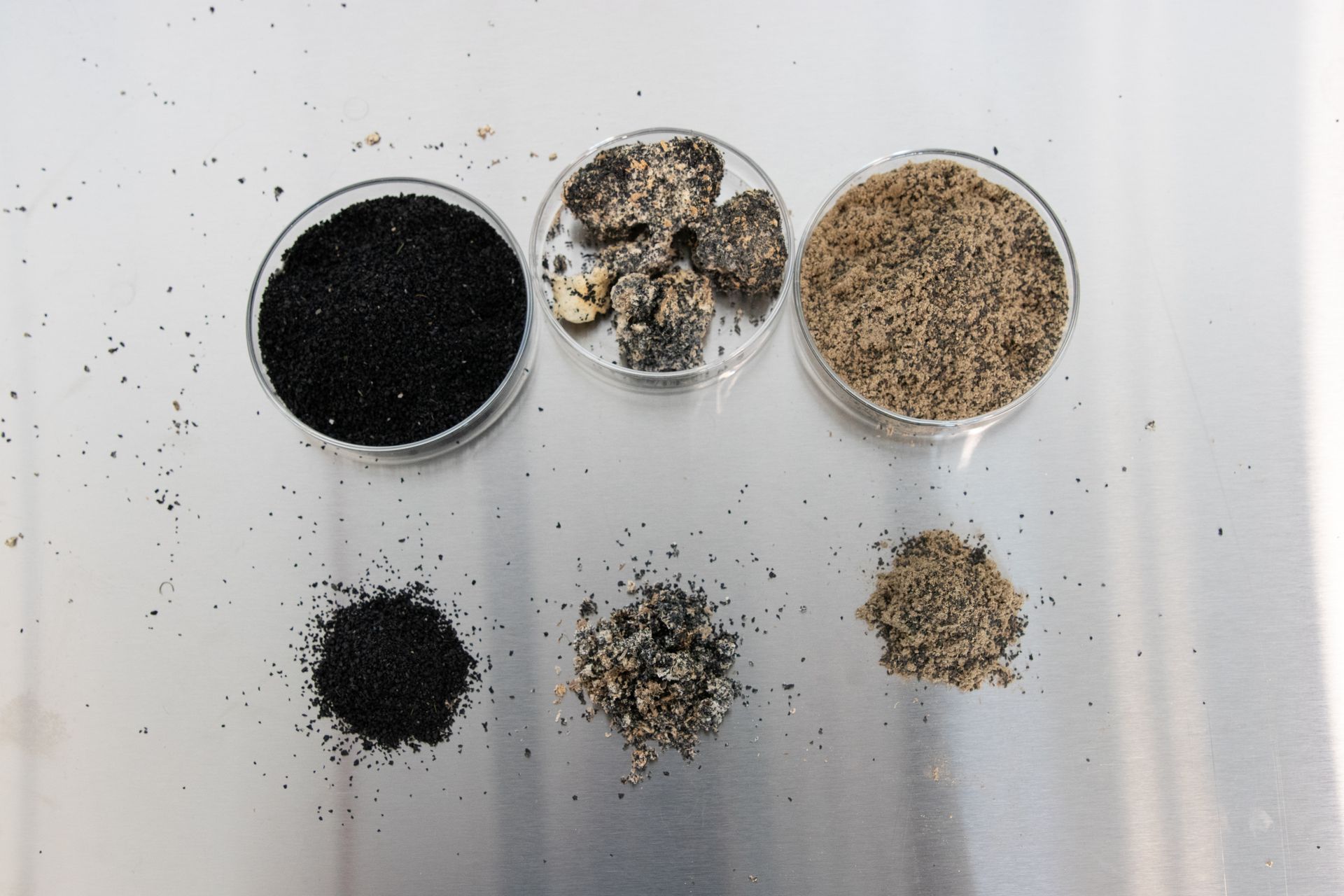
The fact that recycled tyre rubber can continue to be useful in various applications after its service on the road may come as a surprise, but some uses are more unexpected than others. One such surprising application is the potential use of tyre granulate as a plant nutrient. Researchers have discovered a method for breaking down and transforming components of tyre rubber using fungal mycelium. This has led to a new phase of research to explore potential applications, including in agriculture and urban planting of trees. Tyre rubber contains a range of additives, but recent advancements in research have shown that mycelium – the underground network of roots developed by fungi – can process or break down some of these substances to benefit plants and whole eco-systems.

Read more

Recykl

Recykl

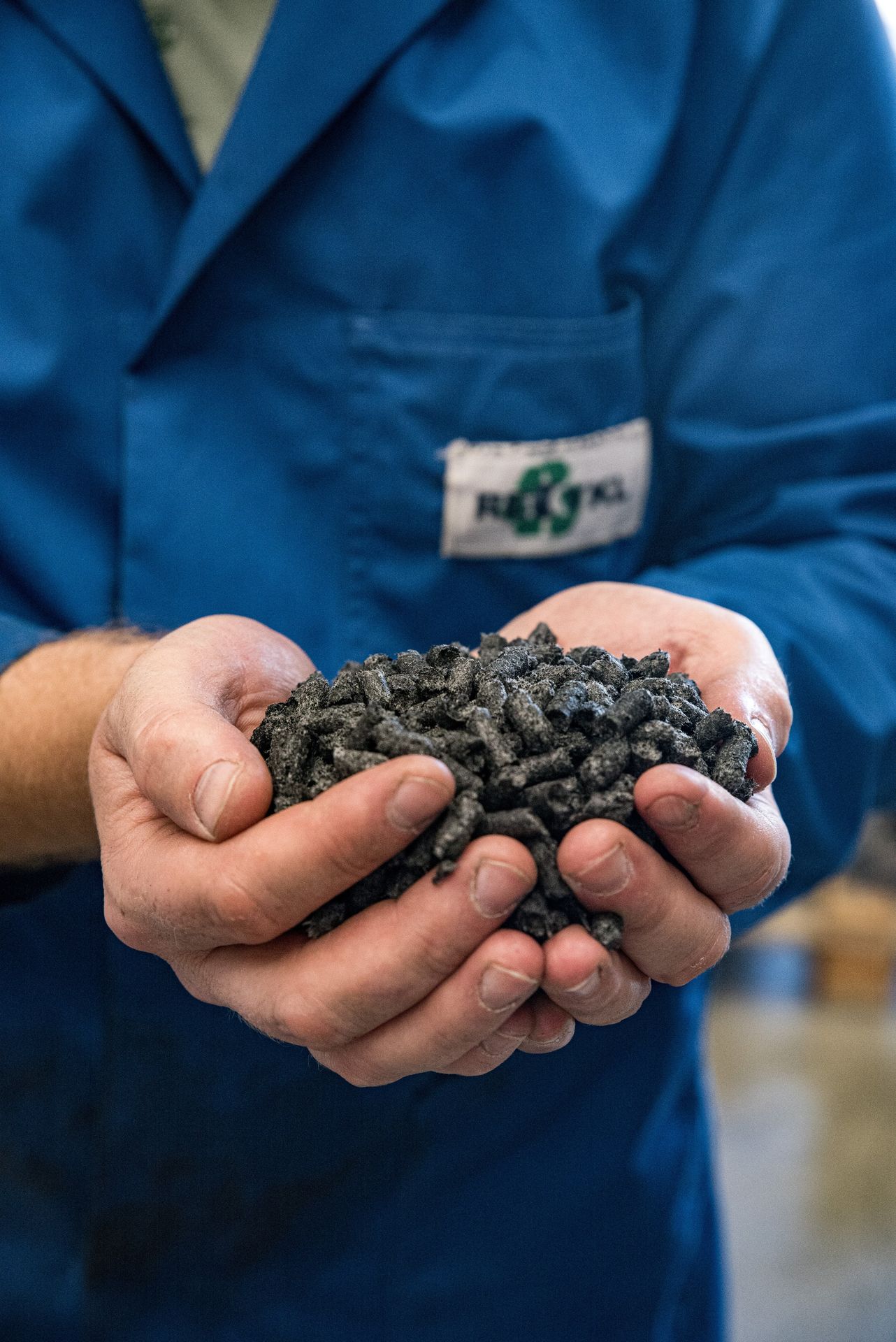
The use of textile materials from recycled tyres has historically been underutilised compared to the rubber components. However, Recykl Organizacja Odzysku S.A. (Recykl) is changing this narrative by innovatively developing a textile-based additive for road construction. As Poland’s leading tyre recycling company and the largest in Central and Eastern Europe, Recykl processes approximately 140,000 tonnes of end-of-life tyres (ELTs) annually. Since 2016, the company has embarked on a transformative journey to increase profitability through new products while also aiming to reduce production costs. This shift in perspective allows them to view tyres not as waste but as a valuable source of raw materials.

Read more
C3C

C3C

We are living in an era where sustainability is no longer a choice but a necessity. Climate change and limited resources compel us to rethink our approaches and find new ways to live and build. Companies like C3C Engineering AB have been addressing these issues for nearly two decades, with a clear vision of transforming waste into valuable resources while simultaneously reducing environmental impact. By focusing on innovation and adopting a circular approach—where materials are given a new life after their original use—they aim to change the perception of waste within the construction industry. C3C began its journey by recycling return concrete—a material that would otherwise have ended up in landfill. By creating modular and reusable building systems, the company has successfully reduced both resource consumption and transportation needs, leading to more sustainable energy use and a decreased demand for new materials. This exemplifies how sustainability can permeate a company’s operations, from basic production to innovative solutions for today’s environmental challenges. A notable example of this commitment is their collaboration with Swedish Tyre Recycling and the development of Noise Cut — a robust protective and support wall that consists of recycled tyre rubber and concrete blocks.

Read more
Christina Makoundou

Christina Makoundou

Recently, new initiatives have been launched to match and outperform pure polymer-modified bitumen, particularly for niche applications. Christina Makoundou, a PhD researcher in partnership with RISE, Sweden’s research institute and innovation partner, developed the idea that if both rubber asphalt and impact-absorbing surfaces exist, why not use them on urban pavements and cycle lanes to protect vulnerable road users from serious injuries? After completing her master’s thesis, titled “Recycled Building Materials Reinforcement Using CaCO₃ Nanoparticles Generated by Bacteria,” Christina decided to pursue a PhD focusing on innovative materials for better cities and the future, while also promoting the use of recycled resources. She became involved with the Innovative Training Networks-Horizon 2020-Marie Skłodowska-Curie Actions SAFERUP! (Sustainable, Accessible, Safe, Resilient, and Smart Urban Pavements) project, which invited her to join the network to achieve the goals of her PhD project. However, the full story of her project, “Vulnerable Users Protection with Advanced Recycling Paving Materials (Protect VU) and ‘Fall-Proof’ Pavement,” began a few years earlier. Christina, along with her supervisors, further developed the idea originating from RISE that, since both rubberised asphalt and impact-absorbing surfaces exist, they could be used on urban pavements and cycle lanes to protect vulnerable road users from serious injuries.

Read more
REPP

REPP

REPP, or Rubber Environment Protection Profiles, is a rubber product designed to protect road users, cyclists, and pedestrians from injuries in collisions. This innovative product was developed as part of a master’s degree project by industrial designer Katarina Segerberg at Lund University’s Faculty of Engineering in Sweden. Working with recycled tyre rubber in granulate form is often described as surprisingly straightforward; however, significant potential exists in exploring other forms, which could unlock numerous opportunities for broader use of the material. Katarina’s journey began with a spark of determination to challenge the status quo in the tyre industry. Motivated by a desire to improve and innovate, Katarina faced seemingly impossible challenges with resilience. Although she initially lacked industry knowledge, she embraced this as an opportunity to learn and innovate. Inspired by a talk on recycled rubber granulate flooring, she chose to focus on this underexplored and promising material for her project. Katarina identified five critical areas for advancing the circular economy: (1) reducing consumption of new items, (2) designing smarter products and packaging, (3) increasing reuse, (4) enhancing recycling processes, and (5) recovering energy from non-recyclable materials.

Read more
ArticlesExplore our materials